
The Silent Pipeline Killer: How Bad CRM Habits Destroy Good Leads
Your best lead didn’t say no. They just ghosted you.
The enquiry was strong. The timing was right. Yet nothing turned into real money.
Most teams blame the lead origin, when it’s the CRM pipeline that needs to be probed.
Duplicate contacts. Missing follow-up dates. Stages nobody updates. Notes that say “called, will chase”.
These bad CRM habits feel minor. Together they drain your pipeline without a single alert. Nobody sees the loss until the quarter closes short. Before you double down on your ad budget, look closely at your CRM: it might be where good leads disappear.
Let Weak Leads Bloat Your Pipeline
One of the most common ways good leads die is weak qualification. Here are the five types of weak leads that routinely slip through the cracks:
1. The “Polite Listener”
Sales reps often mistake general courtesy or nice conversation for genuine buying intent. These leads smile, nod, and compliment your pitch, but they have zero intention of buying.
Advancing deals simply because a prospect was friendly on the phone fills your CRM with zero-intent leads.
2. The “Proposal Collector”
Asking for a proposal or quote is often just a polite way for a prospect to wrap up a call, benchmark a competitor’s pricing, or check a box for internal research.
Advancing a lead without understanding why they need the proposal, and what specific action they will take next, fills your pipeline with deals that will never actually close.
3. The “Cheerleader”
This lead is deeply enthusiastic about your product, but they lack signing authority and have no direct access to the budget holder.
Qualifying a lead without confirming who holds the ultimate purchasing power leaves your sales reps pitching to a fan instead of a buyer.
4. The “Someday Shopper”
Without a firm target launch date or allocated funds, this lead isn’t an active opportunity; it’s a wish list item.
Letting leads qualify when they give vague answers like “maybe next year” or “we’ll look at budget later” guarantees a bloated, stalled pipeline down the line.
5. The “Problem-Free Prospect”
If a lead can’t state the exact business problem they need solved or what it costs them to do nothing, they will never feel the urgency to buy.
Qualifying a lead based on your product’s cool features rather than their specific pain leads to long, drawn-out sales cycles that end in “no decision.”
Dirty Data: The Slow Rot No One Notices
B2B contact data decays at roughly around 22–30% a year. People change jobs, companies rebrand or get acquired, email addresses stop working. Leave your CRM alone for twelve months, and a sizeable chunk of it is already rotten.
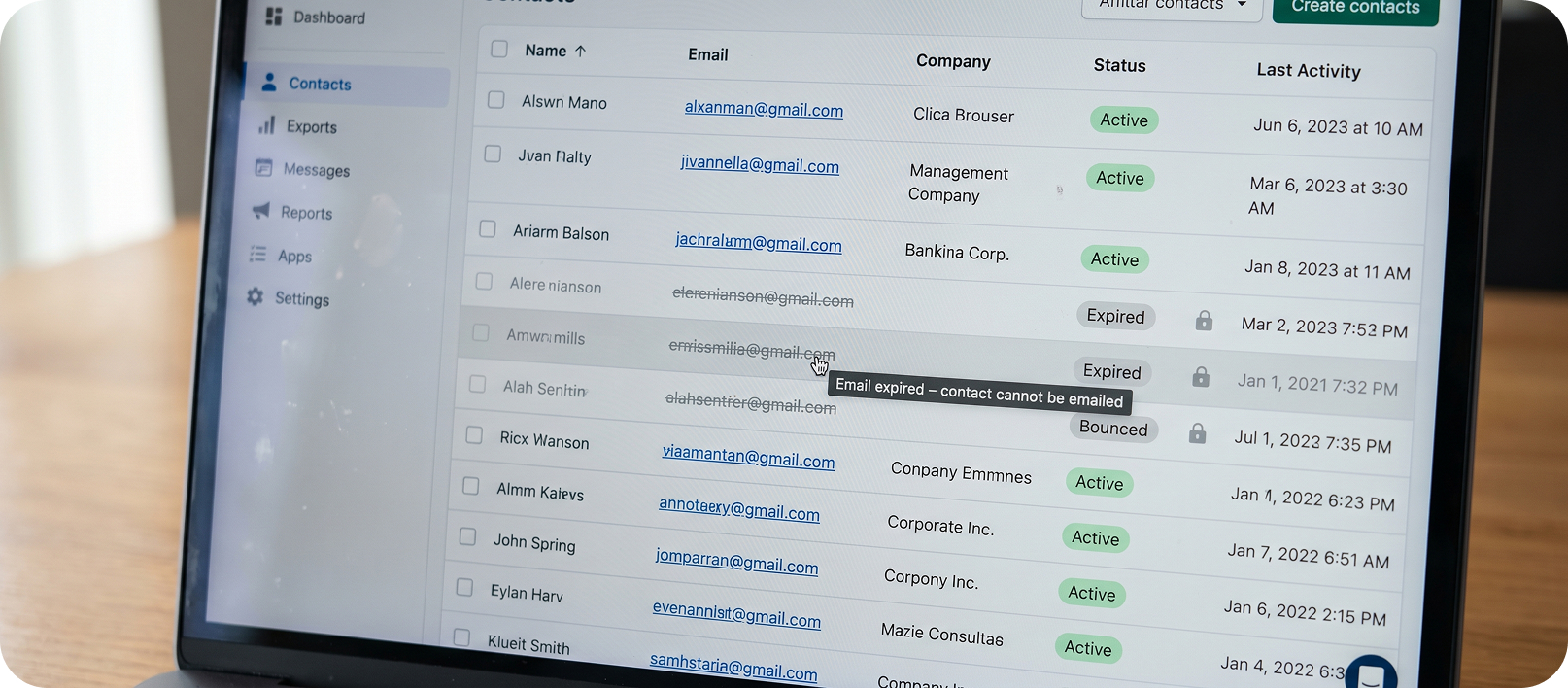
The results are predictable. Emails bounce, damaging sender reputation. Segmentation falls apart, and forecasting becomes guesswork.
Add in duplicates, incomplete records and inconsistent formats, and sales reps end up spending time hunting for the right contact details instead of selling.
Low User Adoption And Underused Features
Many teams use only the basics. Training gaps and resistance mean powerful tools for automation, scoring and analytics sit idle. Without strong CRM user adoption, even the most capable system can become little more than a place to store customer data.
Missing CRM Integration with Communication Tools
Clean data and fancy CRMs mean nothing if your software can’t talk to each other. Most companies use dozens of apps, but because they aren’t connected, you get massive operational blind spots. Sales teams end up manually copy-pasting notes from emails, LinkedIn, and WhatsApp into the CRM. It only results in wasting hours of valuable time and creating costly mistakes along the way.
Bad Lead Management and Follow-Up
Even the cleanest CRM cannot save leads that are left to wither. Out of every 10 inbound leads, roughly one goes uncontacted by sales. That is not a small leak; it is a flood of lost revenue.
The numbers get worse. It takes an average of 6 to 8 touchpoints to secure an initial meeting or generate a qualified sales lead, while many give up after one or two.
Low Response Time
Response times slow as companies grow. Growth introduces friction. More leads to route, more handoffs, more reliance on SDR capacity and internal processes. What should be a moment of immediate connection turns into a waiting game.
Together, these gaps create what many marketing leaders experience as the inbound pipeline gap: buyer intent enters the system, but speed, coverage, and coordination ultimately determine whether that intent becomes pipeline.
This is where specialised CRM development services can make a difference. Building workflows, automations and follow-up systems around your sales process turns “maybe later” into “yes”. Ignore them and your pipeline fills with ghosts instead of deals.
How To Fix A Bad CRM Before It Costs You
The good news is that most of this is fixable with discipline rather than heroic effort. Following lead management best practices can help keep your pipeline healthy and prevent small gaps from turning into lost opportunities.
Qualification Standards
Start with clear qualification standards that the whole team shares. Require evidence before a deal advances. No proposal goes out without a scheduled review involving the right people.
Maintain Data Hygiene
Treat data hygiene as ongoing maintenance, not an annual spring clean. Set required fields, validate on entry, schedule regular audits for duplicates and enrich key contacts. Aim for high field completeness, low duplicate rates and strong email validity. Monitor bounce rates and activity levels as early warning signs.
Track Stage Conversion
Define pipeline stages by buyer behaviour, not internal optimism. Track velocity and stage conversion, not just volume. Kill or recycle deals that have gone quiet for too long.
Tool Integration
Integrate tools so activity logs itself where possible, and invest in proper training so people actually use the system. Assign clear ownership for CRM data quality; if everyone is responsible, no one is.
A tighter pipeline usually looks smaller at first. The best CRM pipeline management is about honest coverage, stronger conversion and a pipeline built on real opportunities, not inflated numbers.
Key Takeaways
Bad CRM habits turn your pipeline into a graveyard of missed opportunities while the dashboard still looks busy.
BTW
When was the last time you actually checked one of those quiet deals instead of just hoping it would magically wake up?
This week, pick one late-stage deal that has not moved in 90 days and interrogate it properly, including decision-makers, timeline, and the real next step.
Then set a recurring data-hygiene reminder and insist that every new lead is logged with the essentials before anyone chases it. Small, consistent habits beat heroic clean-ups every time.
Do these two things and you will quickly see which opportunities are real and which are just taking up space.